

Integrated Marketing Communications (IMC) is no longer a buzzword—it's the backbone of cohesive brand messaging. At its core, IMC ensures that every touchpoint a customer encounters, from email campaigns to social media posts, works together to reinforce the same story. Without it, brands risk sending mixed signals that confuse audiences and weaken results. Businesses that implement a well-structured IMC strategy report higher engagement rates, stronger brand recognition, and measurable ROI across channels.
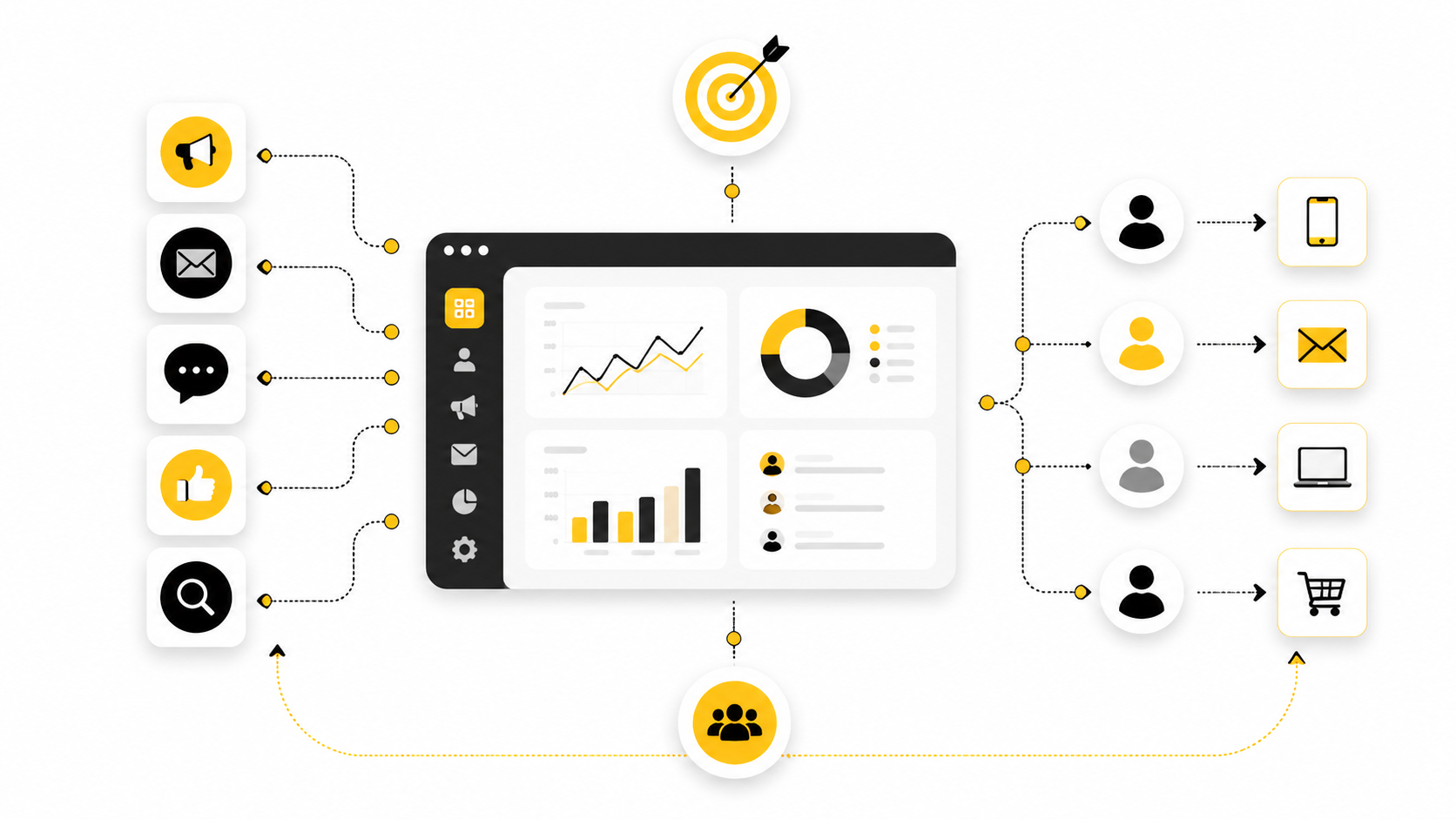
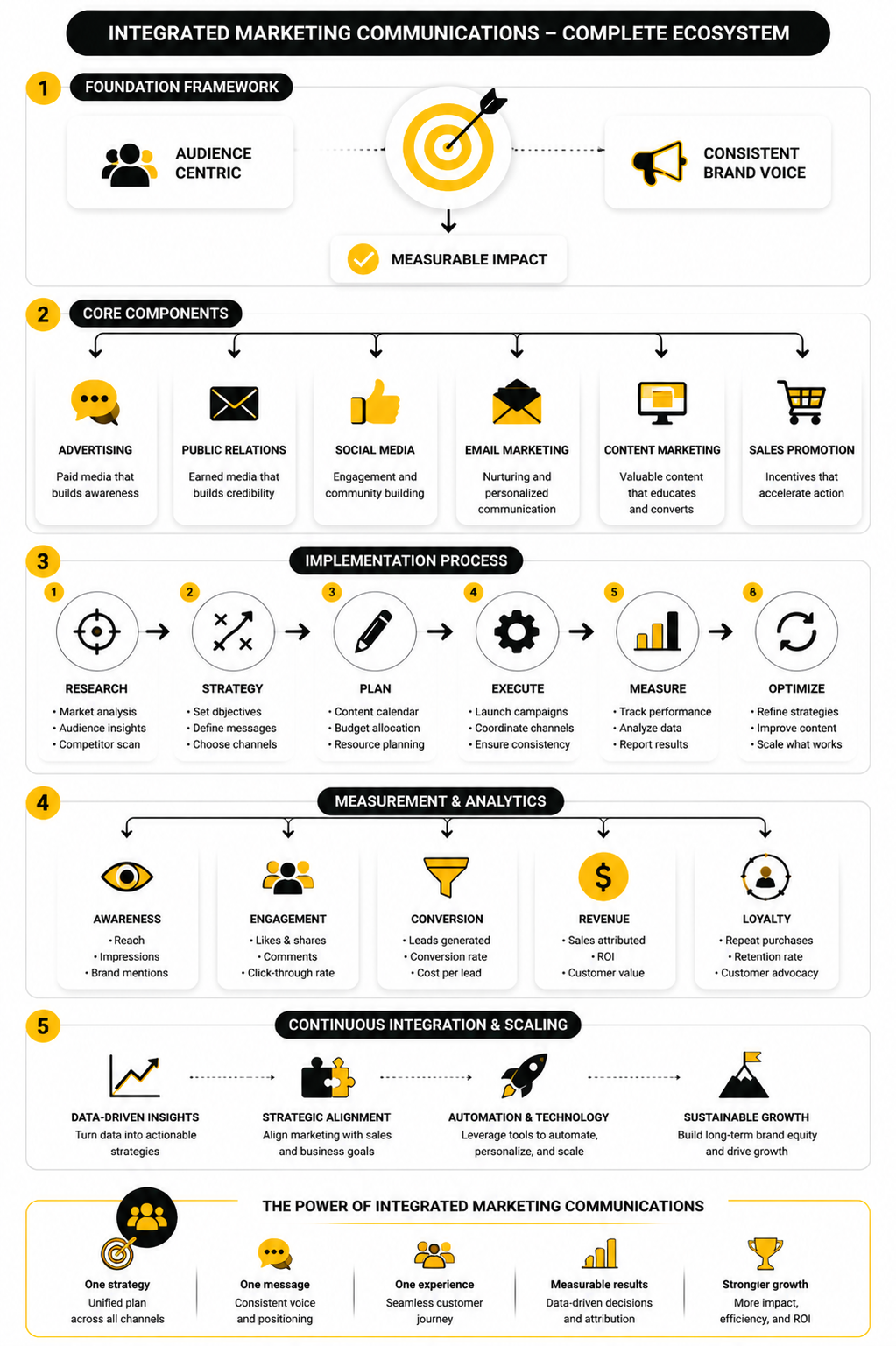
IMC isn't just about combining marketing tactics; it's about orchestrating them to tell a unified story. This article will explore the six key areas that define IMC, showing you not just why it matters but how to implement it professionally for long-term impact. We'll break down the strategy, framework, and actionable steps so you can connect with your audience in a way that's consistent, credible, and compelling.
Article Outline
- Why Integrated Marketing Communications Matters
- IMC Framework Overview
- Core Components of IMC
- Professional Implementation Strategies
- Measuring Success and Optimization
- Future Trends in Integrated Marketing Communications
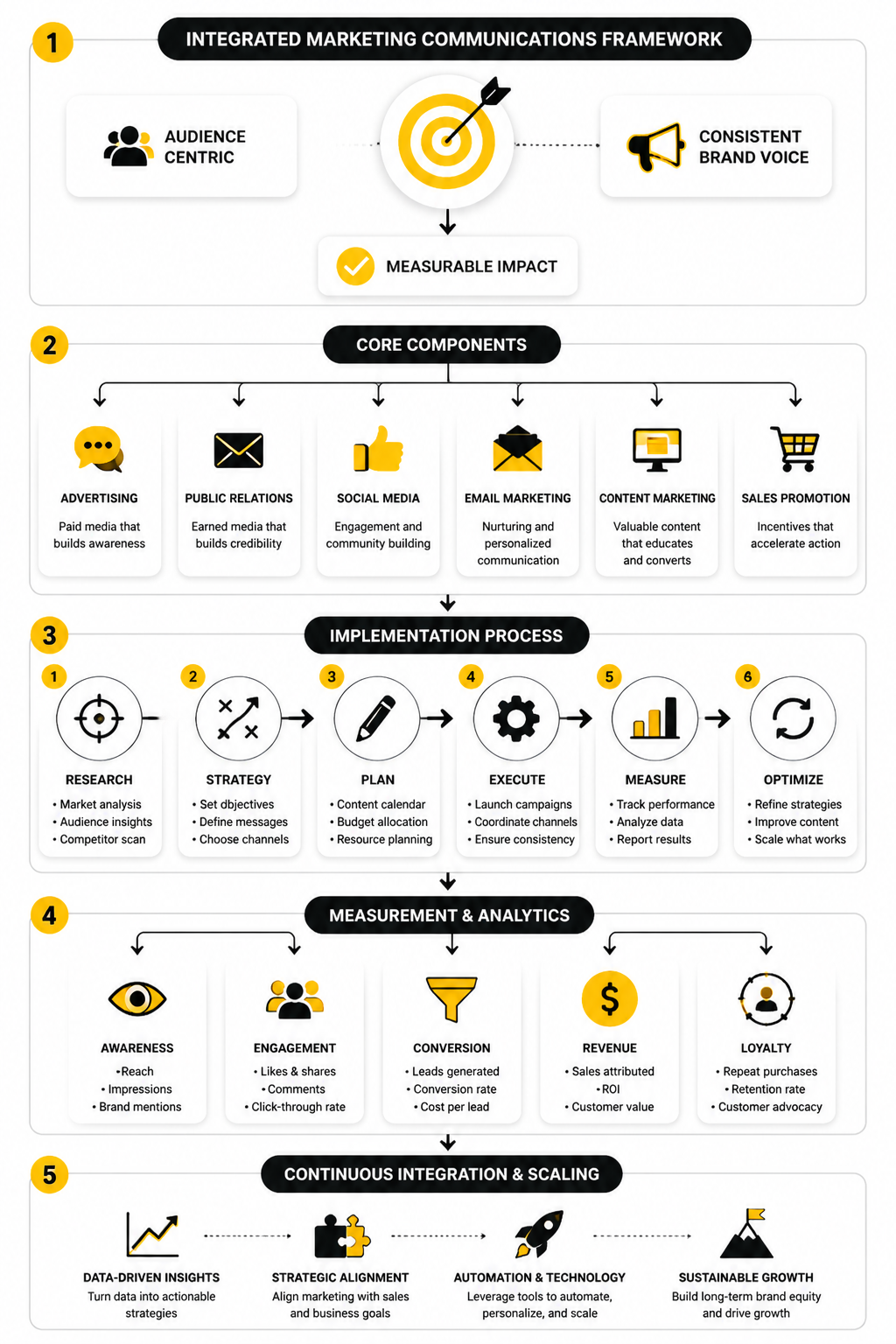
Each section will build upon the last, offering both conceptual insights and practical examples to help you understand and leverage IMC effectively. By the end of this guide, you’ll have a clear blueprint for aligning your messaging, optimizing campaigns, and driving real business results.
Do you want me to continue with Part 2: Why Integrated Marketing Communications Matters next?
Why Integrated Marketing Communications Matters
Integrated Marketing Communications (IMC) matters because it turns fragmented messaging into a cohesive brand narrative. Many businesses make the mistake of running email campaigns, social ads, and website updates in isolation, which can dilute impact and confuse customers. IMC ensures every channel reinforces the same story, making interactions memorable and increasing trust with your audience.
A prime example is Coca-Cola’s “Share a Coke” campaign. They coordinated personalized bottles, social media challenges, TV spots, and retail promotions in perfect sync. The result was a measurable 2% increase in U.S. sales volume in a single summer, proving that alignment across channels drives both engagement and revenue.
The benefits extend beyond immediate sales. Brands with strong IMC see higher brand recall, more consistent customer experiences, and better long-term loyalty. When every touchpoint tells the same story, the message sticks. For example, companies like Nike and Apple create campaigns where product launches, social content, and in-store experiences all speak the same language, leading to stronger emotional connections and sustained growth.
IMC also saves resources. Instead of designing separate campaigns for each platform, businesses reuse content strategically, adapting it for multiple channels. This efficiency not only reduces costs but also ensures that performance metrics are easier to track and optimize across platforms, giving marketers clearer insights into ROI.
A modern tool like GoHighLevel can help streamline campaign management, automating communications while keeping every channel aligned. Using technology to support IMC ensures that even complex, multi-channel campaigns remain consistent, measurable, and impactful.
Next, we’ll dive into the framework that makes IMC operational, showing how strategy moves from concept to execution.
Professional Implementation Strategies
Turning an integrated marketing communications strategy into action requires more than planning—it demands disciplined execution. The difference between a good strategy and a campaign that drives results lies in how well the various channels, teams, and messages are coordinated.
The first step is mapping all touchpoints your audience interacts with, from social media to email, in-store experiences, and PR events. Each of these should support the same overarching brand narrative. Next, define roles and responsibilities within your team, ensuring everyone understands which channels they manage and how content flows between them. Misalignment here is a common cause of inconsistent messaging.
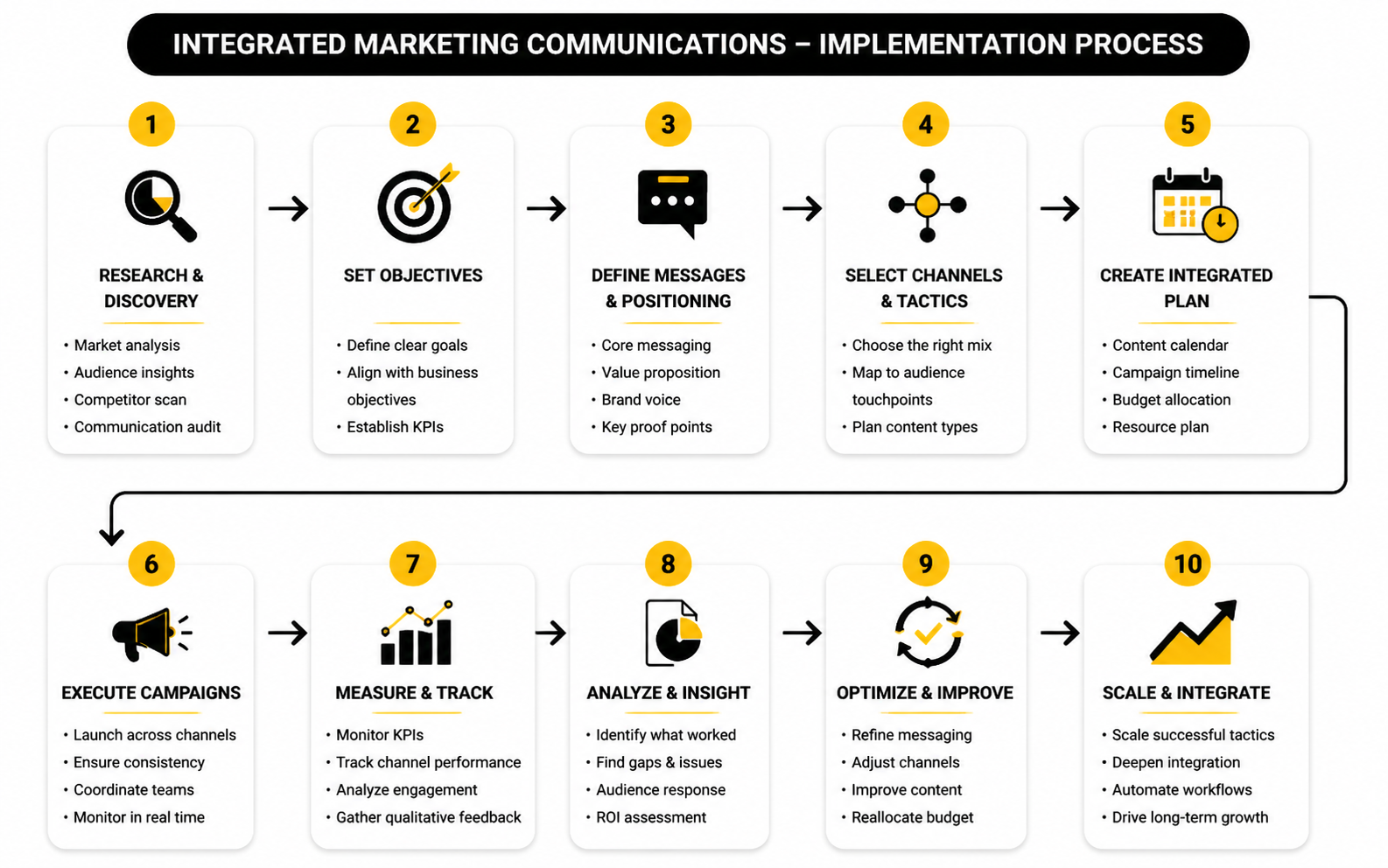
Once your channels and teams are defined, focus on content consistency. Every piece of messaging—whether a tweet, landing page, or video—must reinforce the same tone, visuals, and value proposition. Tools like GoHighLevel help automate this process, enabling marketers to schedule campaigns, track engagement, and maintain messaging uniformity across platforms.
Finally, establish a feedback loop. Collect data from campaigns in real-time, analyze performance across channels, and adjust messaging to optimize results. Brands that continuously iterate on their IMC strategy see stronger ROI and higher customer loyalty, as every touchpoint reinforces the brand promise. This structured, hands-on approach transforms IMC from a concept into a tangible, results-driven process.
Next, we’ll explore the core components that make IMC work, breaking down the elements that every professional campaign must include.
Measuring Success and Optimization
Understanding how your integrated marketing communications efforts perform is critical. Data doesn’t just validate whether campaigns work—it guides the next steps and helps prevent wasted spend. When executed correctly, IMC measurement connects every touchpoint to real business outcomes, from lead generation to sales growth.
The first step is defining key performance indicators (KPIs) aligned with your objectives. These might include brand awareness, conversion rates, customer engagement, or multi-channel attribution. For example, tracking how an email campaign influences social interactions and website visits provides a more complete view than isolated metrics.
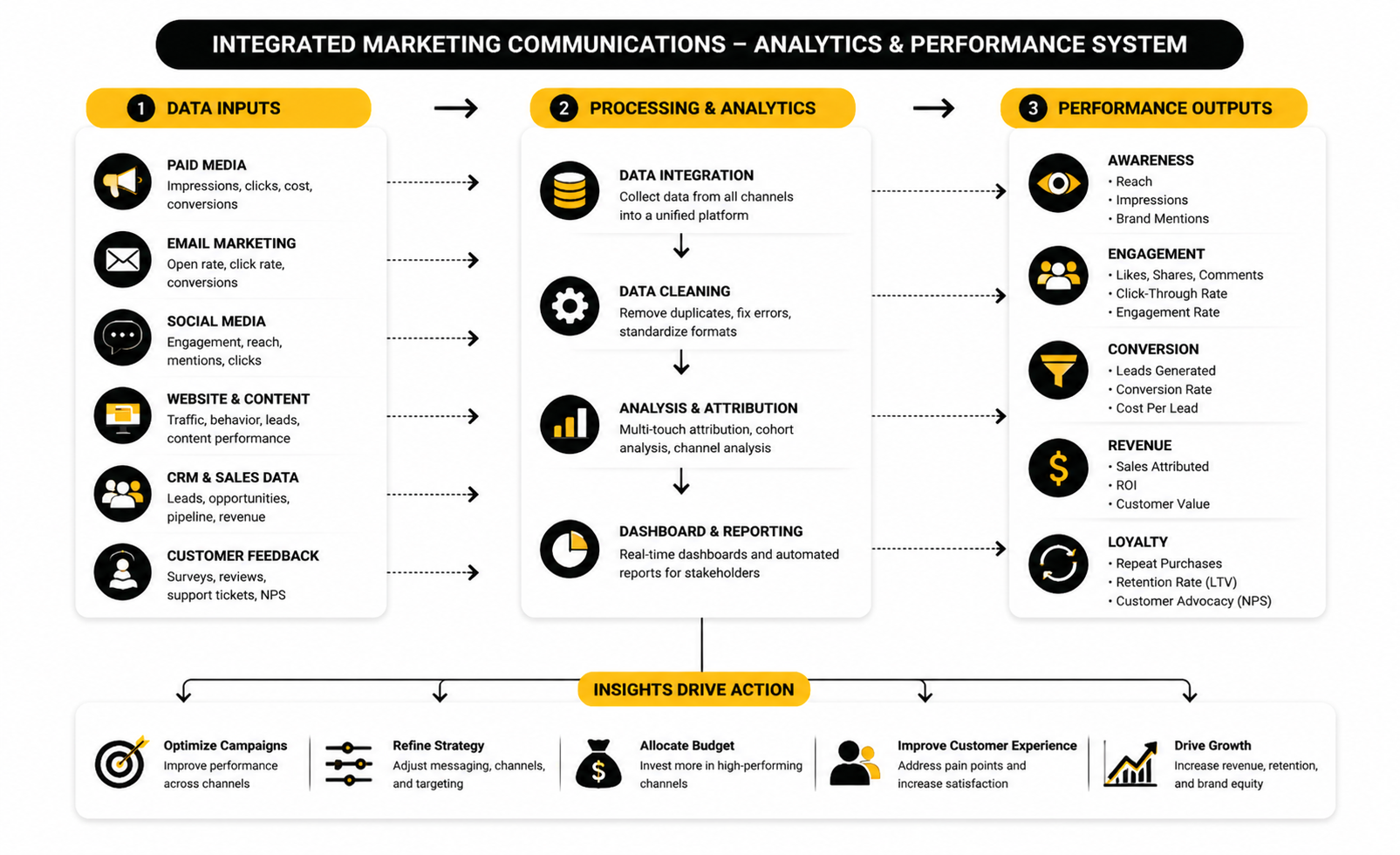
Next, analyze the data across channels to identify patterns and gaps. Marketing analytics platforms, like GoHighLevel, enable you to consolidate metrics from email, SMS, social media, and landing pages into a single dashboard. This makes it easier to spot which messages resonate, which channels underperform, and where adjustments are needed.
Benchmarks are equally important. Comparing your performance to industry averages helps contextualize results and set realistic goals. For instance, knowing that the average click-through rate for B2C campaigns is around 2.5% can help you determine if your efforts are competitive or need refinement.
Finally, use insights to drive action. If social engagement is high but conversions lag, tweak messaging or optimize landing pages. If email open rates are low, refine subject lines and segmentation. The goal is a continuous feedback loop where data informs decisions, ensuring that every campaign strengthens the unified brand message.
Next, we’ll explore future trends in integrated marketing communications and how evolving technology and consumer behavior will shape strategy.
Future Trends in Integrated Marketing Communications
Integrated marketing communications is evolving rapidly as technology and consumer behavior shift. One of the biggest trends is the rise of AI-driven personalization, where messaging is dynamically tailored to individual preferences across channels. This allows brands to deliver highly relevant content without sacrificing consistency, which is essential for effective IMC. Platforms like GoHighLevel are already enabling marketers to automate these personalized experiences at scale.
Another trend is cross-channel attribution becoming more sophisticated. As consumers engage on multiple devices and platforms, understanding which touchpoints drive conversions requires advanced analytics. Brands that invest in unified dashboards and AI-powered insights can make smarter allocation decisions, ensuring each channel contributes meaningfully to the overall campaign.
Scaling IMC also introduces strategic tradeoffs. Expanding to new markets or channels may dilute messaging if processes aren’t standardized. Businesses must balance the desire for growth with the need for cohesion, ensuring every team follows a centralized brand narrative. Companies that manage this successfully, like Amazon and Starbucks, use strict brand guidelines combined with flexible execution rules to maintain consistency while adapting to local contexts.
Finally, consumer trust and privacy are shaping how IMC strategies are implemented. With stricter data regulations and rising privacy concerns, marketers must be transparent in how they collect and use information. Ethical and secure communication practices not only avoid legal pitfalls but also strengthen brand credibility, which directly impacts engagement and long-term loyalty.
These trends indicate that integrated marketing communications is no longer just about unifying messages—it’s about using technology, analytics, and ethical practices to adapt, scale, and maintain a consistent brand presence in a complex, multi-channel world.
Next, we’ll close the article with FAQs and practical takeaways to help marketers implement IMC effectively.
FAQ - Built for Complete Guide
1. What is integrated marketing communications (IMC)?
Integrated marketing communications is a strategic approach that ensures all marketing channels and messages work together to create a unified brand experience for the audience.
2. Why is IMC important for businesses?
IMC strengthens brand consistency, increases customer trust, and improves campaign efficiency, which leads to higher engagement and measurable ROI across channels.
3. How do you measure the success of an IMC strategy?
Success is measured using key performance indicators (KPIs) such as engagement rates, conversion metrics, multi-channel attribution, and brand awareness benchmarks.
4. What are the core components of an IMC strategy?
Core components include consistent messaging, aligned visual identity, coordinated campaigns across channels, and analytics-driven feedback loops to optimize performance.
5. How does technology support IMC?
Marketing platforms like GoHighLevel automate multi-channel campaigns, centralize data, and help maintain consistent messaging at scale.
6. Can small businesses benefit from IMC?
Absolutely. Even smaller teams can use IMC principles to unify messaging, streamline campaigns, and maximize the impact of limited marketing resources.
7. What are common challenges when implementing IMC?
Challenges include siloed teams, inconsistent branding, insufficient data integration, and balancing personalization with message consistency across channels.
8. How often should an IMC strategy be updated?
Strategies should be reviewed continuously based on performance analytics, market trends, and audience feedback to ensure ongoing relevance and impact.
9. What role does content play in IMC?
Content is the backbone of IMC. Every piece—emails, social posts, videos, or landing pages—must reinforce the brand message and support the overall marketing narrative.
10. How do you balance personalization with brand consistency?
Use dynamic content and segmentation tools to tailor messaging to individual audiences while adhering to core brand guidelines, ensuring every touchpoint reflects the same story.
Work With Professionals
Explore 10K+ Remote Marketing Contracts on MarkeWork.com
Most marketers spend too much time chasing clients, competing on crowded platforms, and losing a percentage of every project to middlemen. MarkeWork gives you a better way. Browse thousands of remote marketing contracts and connect directly with companies desperate to hire skilled marketers like you, without platform commissions and without unnecessary gatekeepers.
If you're serious about finding better opportunities and keeping 100% of what you earn, invite readers to explore available contracts and create a profile for free at MarkeWork.com.