

Most businesses do not have a lead problem in the abstract. They have a pipeline problem. The website might be getting traffic, the team might be publishing content, and sales might be busy all day, but qualified conversations still arrive too slowly or too inconsistently to support real growth. 6sense+2
That is exactly where lead generation companies enter the picture. The best ones do not just dump lists into your CRM or promise vague “more leads.” They build a repeatable system for finding the right accounts, starting the right conversations, qualifying real buying intent, and handing sales a pipeline that is actually worth working. 6sense+2
This matters more now because buyers are doing so much of the journey on their own. Recent B2B research shows that buyers often form strong vendor preferences before speaking with sales, which means the companies creating demand earlier, targeting more precisely, and following up faster have a structural advantage. 6sense+2
Article Outline
- Why Lead Generation Companies Matter Now
- The Modern Lead Generation Company Framework
- Core Services That Actually Move Pipeline
- How to Evaluate and Choose the Right Partner
- What Professional Implementation Looks Like
- Common Mistakes, Red Flags, and FAQs
Why Lead Generation Companies Matter Now
Lead generation companies matter because growth has become less forgiving. B2B buying cycles remain long, buyer groups are doing deeper self-education, and sales teams are under pressure to personalize outreach while still hitting pipeline targets. That combination makes “we’ll just have marketing and sales handle it internally” a much weaker plan than it used to be. 6sense+2
There is also a capacity problem that too many companies underestimate. Salesforce’s latest sales research points to teams being stretched between customer expectations, longer decision processes, and limited selling time, while HubSpot’s recent marketing data still shows lead generation remains one of the most persistent challenges for marketers. In plain English, internal teams are often busy enough already, which is why specialist partners keep gaining attention. Salesforce+2
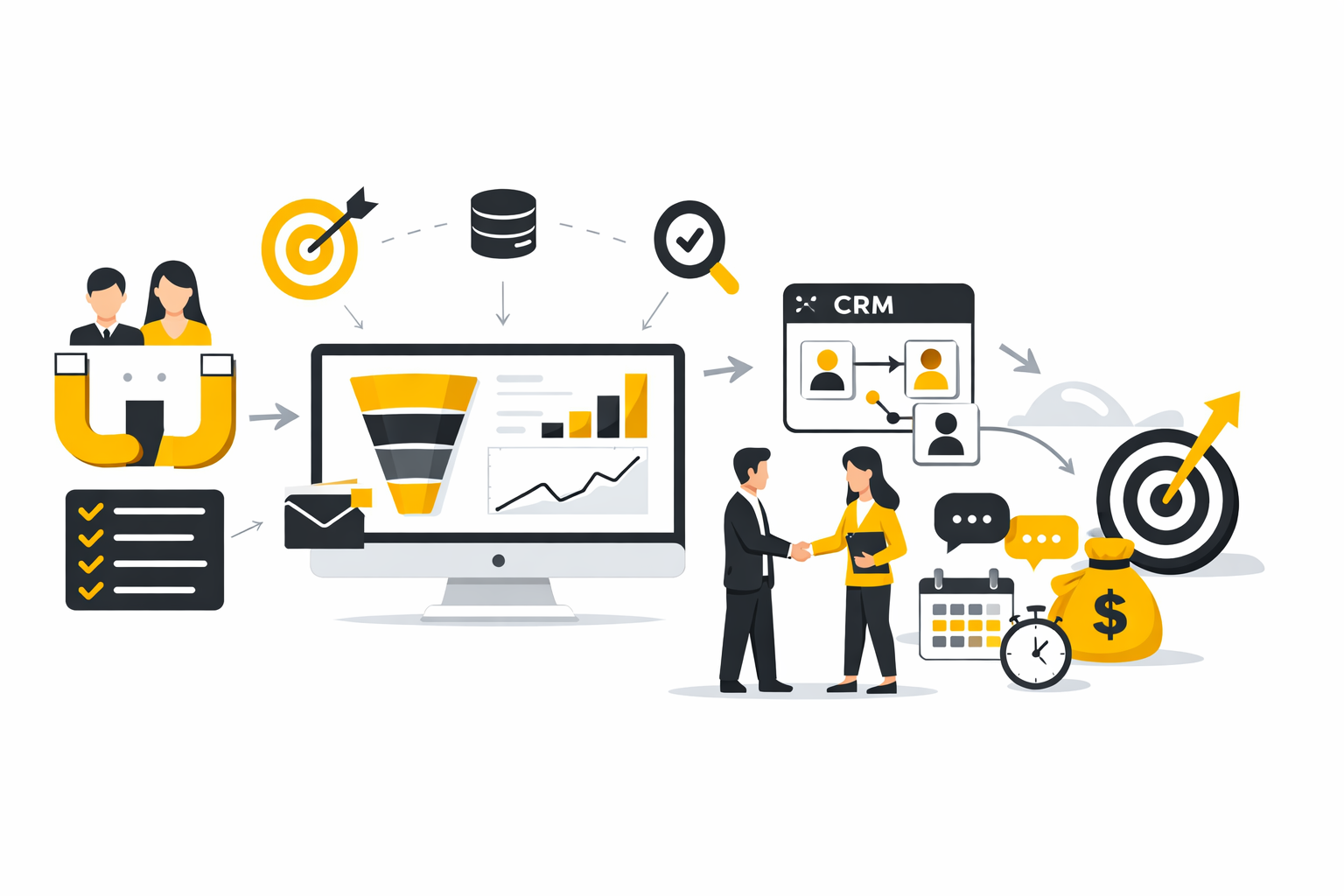
The practical reason businesses hire lead generation companies is not mystery or hype. They want focused expertise, better data discipline, faster campaign execution, and a cleaner path from prospecting to booked meetings to revenue. When the partner is good, the result is not just more activity but more qualified activity. Clutch+2
The Modern Lead Generation Company Framework
A modern lead generation company should be thought of as a revenue engine, not a cold outreach vendor. The strong firms combine positioning, targeting, data enrichment, messaging, outbound execution, inbound capture, qualification logic, CRM hygiene, and reporting into one operating model. That full-stack approach is becoming more important as buyers use more channels and expect more relevance before they respond. 6sense+2
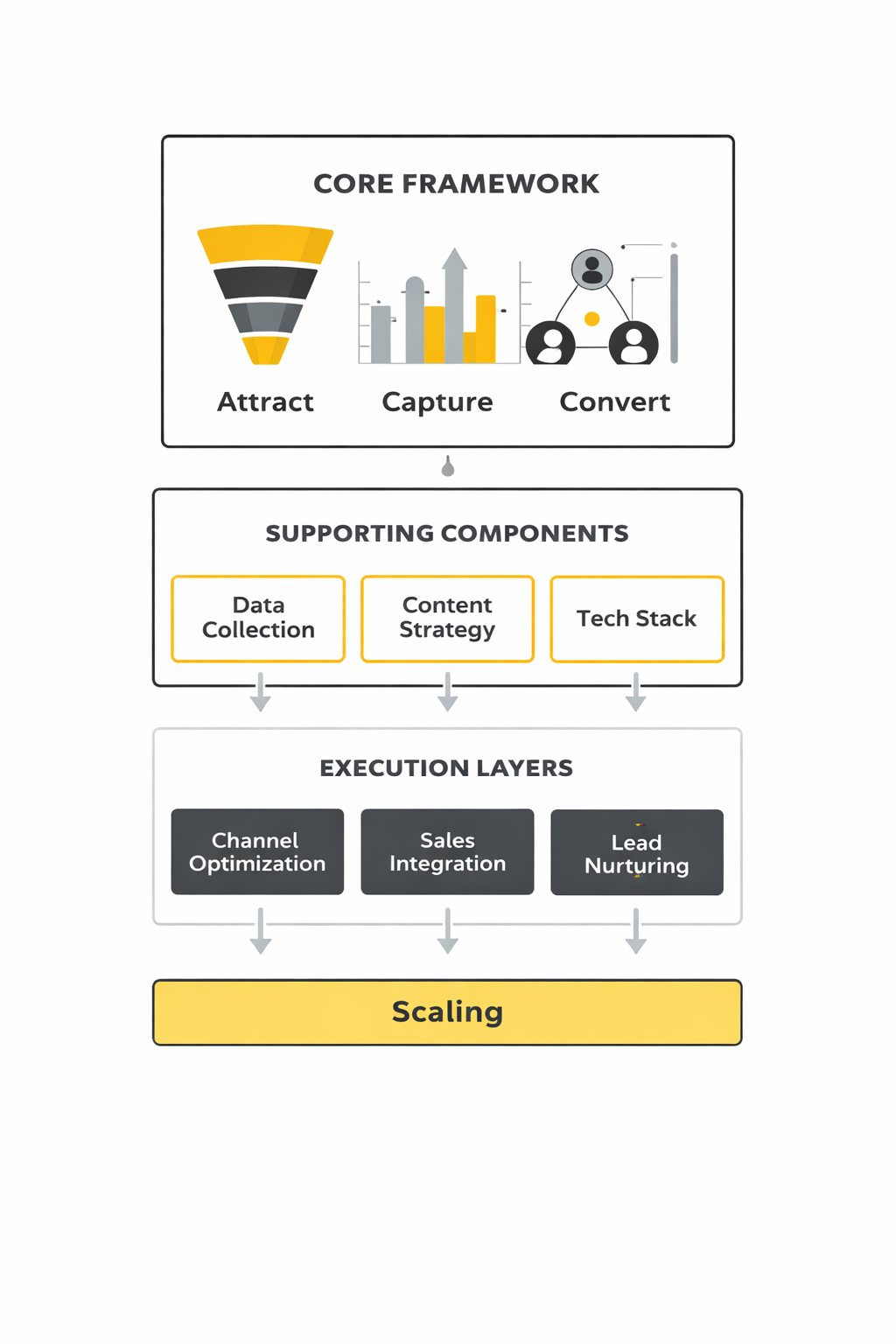
In practice, the framework usually starts with ICP clarity, then moves into list building, channel selection, campaign execution, lead qualification, handoff rules, and performance feedback loops. That sounds simple on paper, but the difference between mediocre and excellent execution usually shows up in the details: whether the data is accurate, whether the message matches buyer pain, whether follow-up is fast, and whether sales accepts the leads as real opportunities rather than marketing noise. Salesforce+2
This is also where tools matter, but only as part of the system. Some businesses use platforms such as ClickFunnels, systeme.io, or Brevo to support landing pages, email capture, and nurture flows, but those tools do not replace the strategic work of targeting, qualification, and campaign management. The best lead generation companies either plug cleanly into that stack or help redesign it so the funnel converts like a business asset instead of a patchwork of disconnected software. Salesforce+2