

When planning a social media strategy, understanding pricing is crucial. Costs vary widely depending on platform coverage, content creation, ad management, analytics, and the expertise of the team. Without clarity, businesses risk overspending or underutilizing services, which can impact growth and engagement.
Social media management pricing isn't just about post frequency—it reflects the strategy, tools, and resources behind each campaign. Companies must balance quality, reach, and ROI to ensure investment aligns with their business objectives.
Article Outline
- Why Social Media Management Pricing Matters
- Framework Overview of Social Media Service Packages
- Core Components of Pricing
- Professional Implementation and Execution
- Analytics and Measurement Insights
- Scaling and Optimization Considerations
Why Social Media Management Pricing Matters
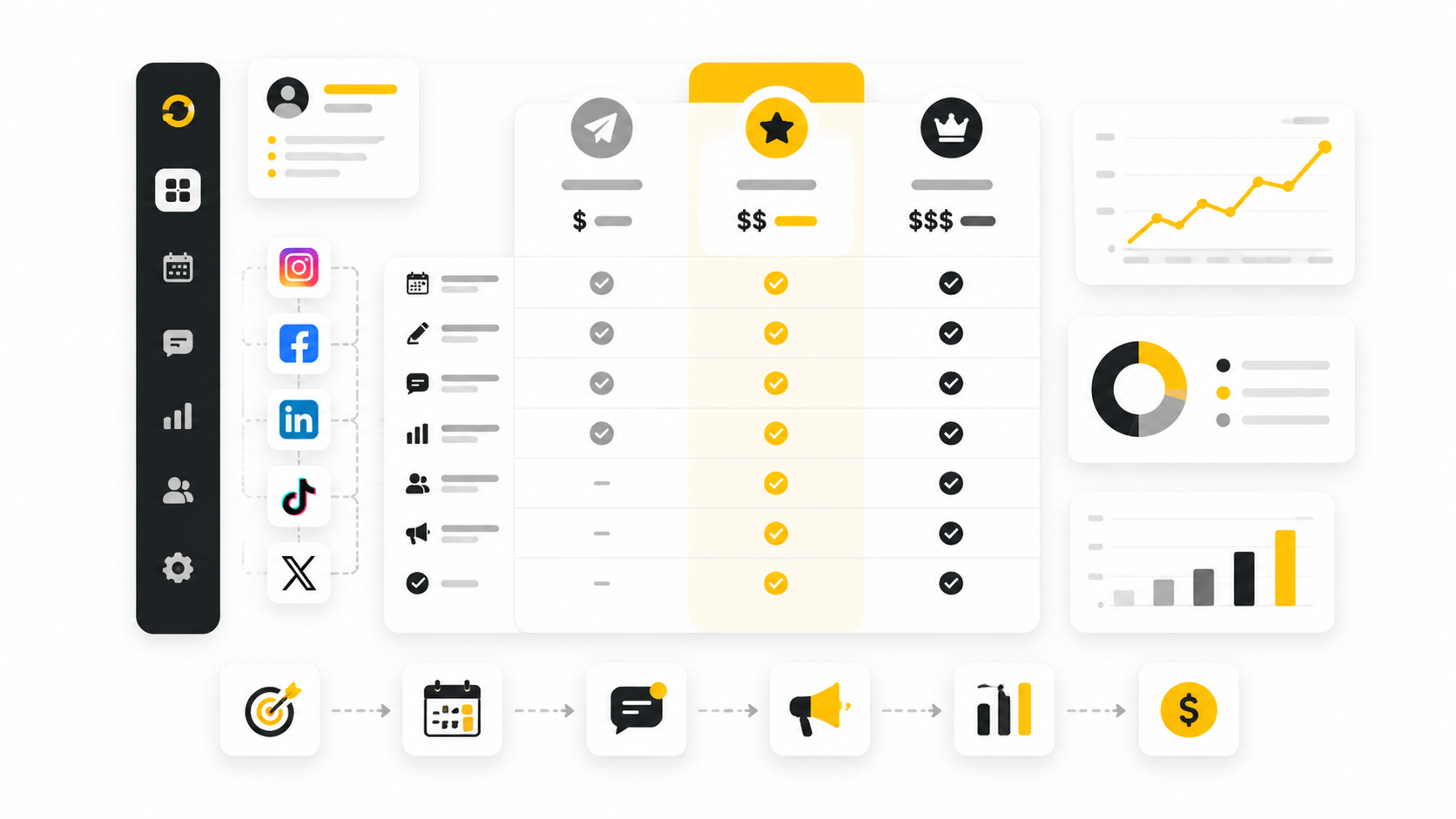
Investing in social media management is more than paying for posts. Costs reflect strategic planning, content production, community engagement, and ad campaigns. Businesses that ignore pricing structures often face wasted budgets or suboptimal results.
Understanding pricing tiers helps companies choose the right package. Basic packages may only cover scheduling posts, while premium plans include advanced analytics, influencer partnerships, and ongoing optimization. Recognizing the differences ensures smarter investment decisions.
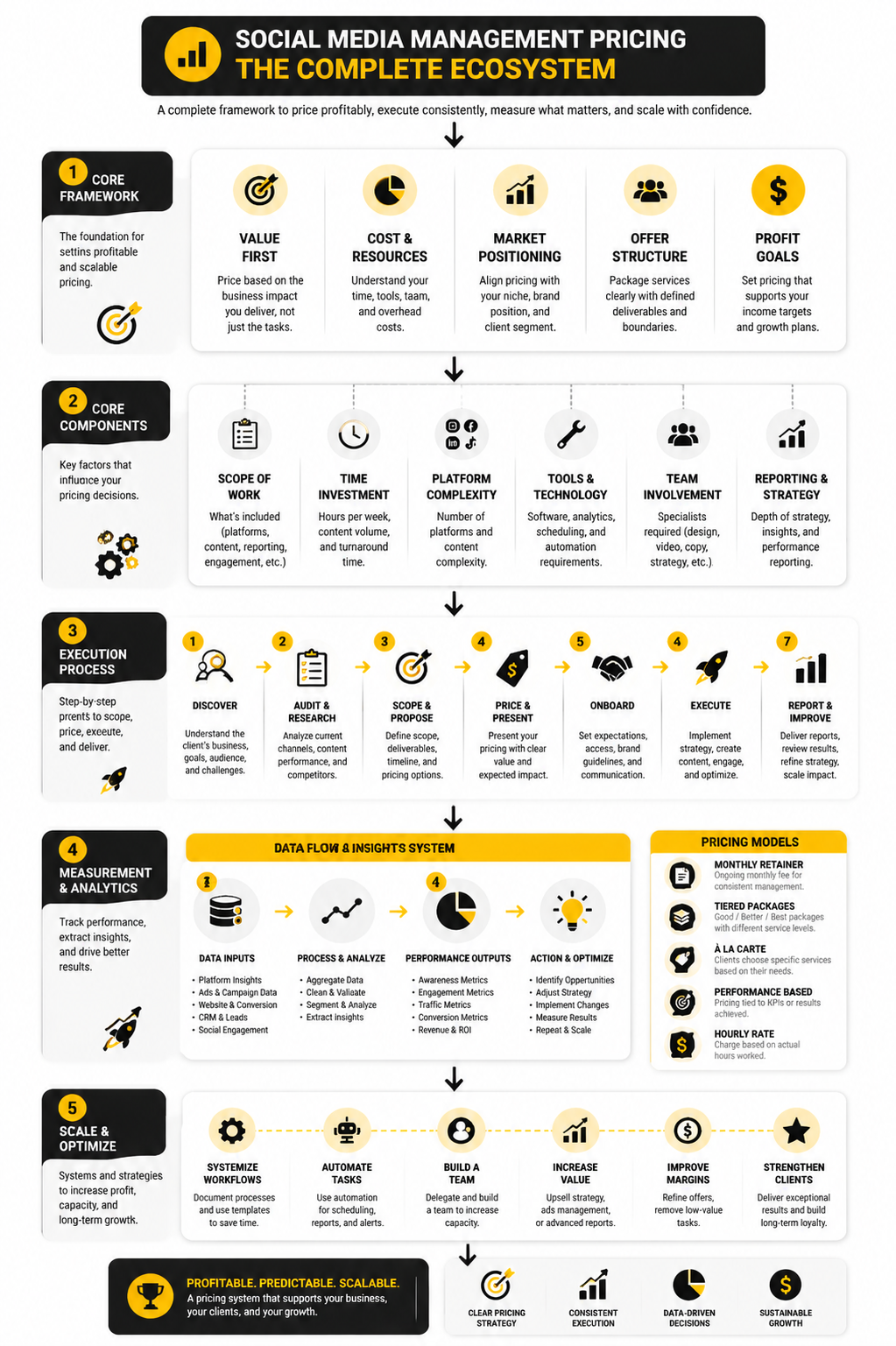
Framework Overview of Social Media Service Packages
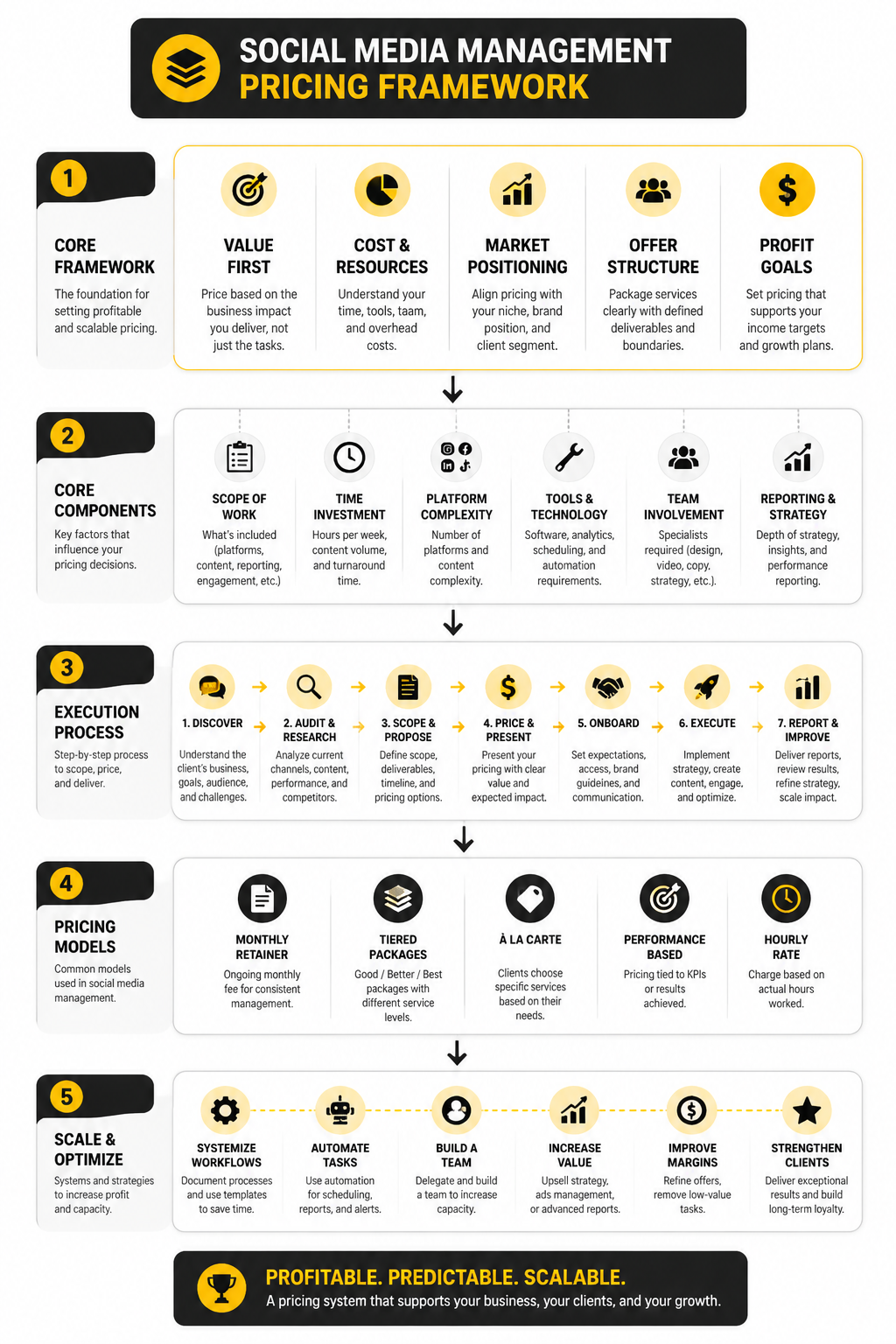
Social media pricing typically follows a clear hierarchy:
- Core Framework: Defines goals, platform focus, and audience targeting. This is the foundation of any package.
- Supporting Components: Includes content creation, design, copywriting, and scheduling tools that supplement the core strategy.
- Execution Layers: Covers daily operations like posting frequency, ad management, and community engagement. These tasks directly influence costs.
- Scaling and Optimization: Advanced services such as performance analytics, A/B testing, and campaign adjustments enable businesses to scale effectively.
This structure explains why pricing varies across providers and why businesses should understand each layer before committing. It ensures you invest in services that directly impact your growth and engagement.
Core Components of Social Media Management Pricing
Understanding the breakdown of social media management pricing requires analyzing the specific components that drive costs. Each element contributes differently depending on the complexity of the strategy, the number of platforms managed, and the desired outcomes. Recognizing these components ensures businesses allocate their budget efficiently and avoid overpaying for unnecessary services.
Content Creation and Strategy
Content is the backbone of any social media presence. This includes copywriting, graphic design, video production, and campaign planning. High-quality content tailored to each platform typically increases pricing, as it demands skilled professionals, creative brainstorming, and alignment with overall brand messaging.
Scheduling and Platform Management
Managing multiple social media accounts requires scheduling posts, monitoring engagement, and interacting with followers. Platforms often integrate tools that automate scheduling, but manual oversight remains crucial to maintain responsiveness and community growth. Pricing reflects both the number of accounts and the intensity of monitoring required.
Paid Advertising and Promotions
Paid campaigns are usually a separate line item in pricing structures. This includes ad creation, targeting strategy, budget management, and ongoing optimization. Businesses that aim for aggressive growth or specific lead generation targets may invest significantly in this component, making it a major factor in total social media management costs.
Analytics and Reporting
Monitoring performance through analytics is essential to measure ROI and inform strategy adjustments. Services include generating reports on engagement, reach, conversions, and customer sentiment. The depth and frequency of reporting influence pricing, as more comprehensive insights require advanced tools and expert analysis.
Community Management
Community management involves interacting with followers, responding to comments, managing messages, and maintaining brand voice across platforms. Active community engagement increases trust and loyalty but can require dedicated personnel, influencing monthly fees and overall pricing.
By evaluating each component carefully, businesses can understand how pricing scales with service complexity and make informed decisions that align with their social media goals.
Professional Implementation of Social Media Management
Once the core components are defined and the strategy is set, the next phase involves translating the plan into tangible actions. Professional implementation ensures each element is executed effectively, aligning costs with measurable outcomes.
Step 1: Audit and Planning
The process begins with a comprehensive audit of existing social media channels. This includes assessing content quality, engagement rates, posting frequency, and audience demographics. With this data, professionals can craft a detailed plan that prioritizes high-impact actions and allocates the budget efficiently.
Step 2: Content Production and Scheduling
After planning, the focus shifts to producing content and scheduling posts. This step involves coordinating graphics, copywriting, and video elements to maintain consistency across platforms. Scheduling tools are integrated to automate posting, allowing teams to maintain a consistent cadence without manual oversight.
Step 3: Paid Campaign Setup
For clients incorporating paid advertising, professionals set up campaigns that target the right audience segments. This includes defining objectives, crafting ad creatives, setting budgets, and monitoring performance. Optimizing ad spend in real-time ensures maximum ROI.
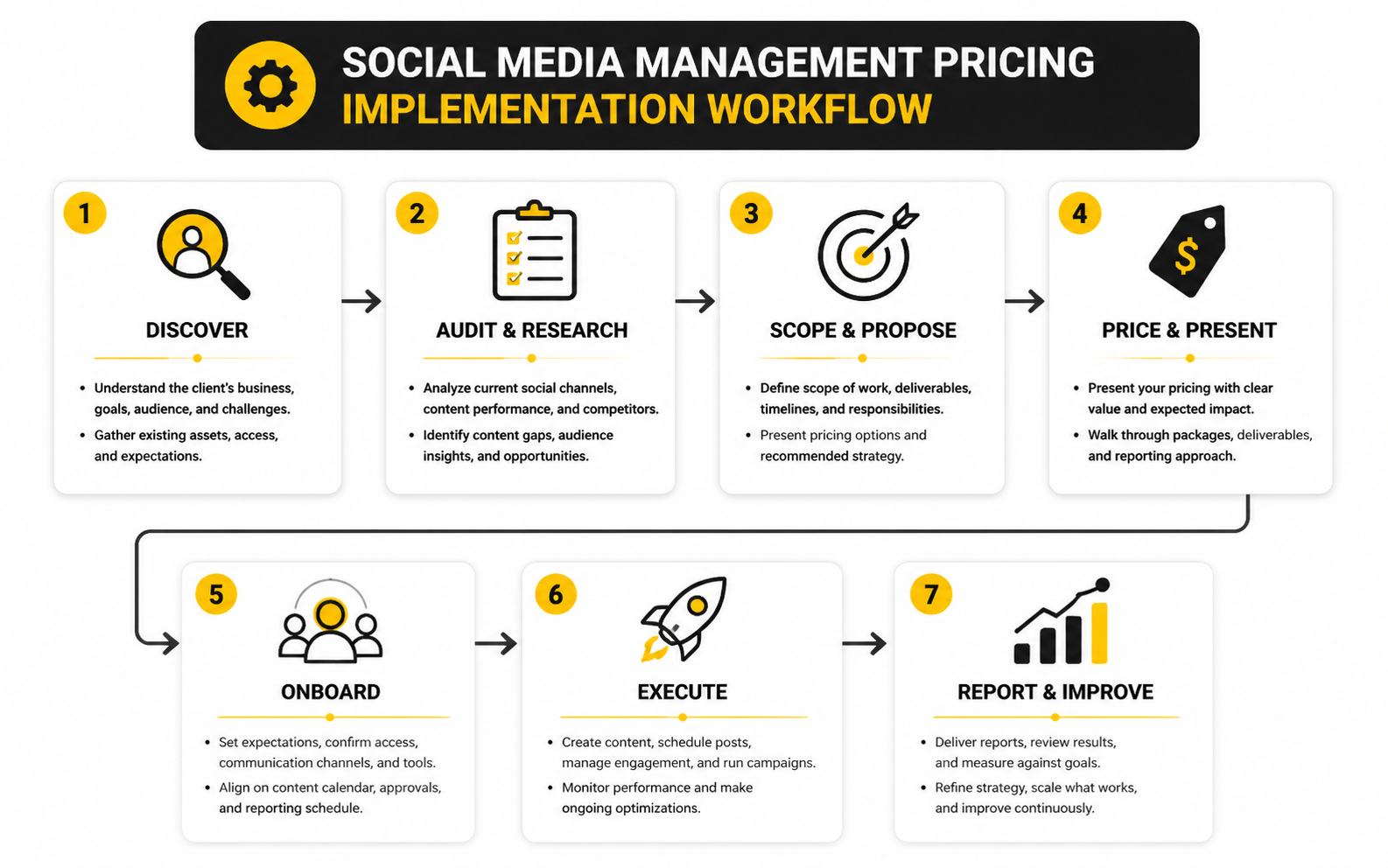
Step 4: Community Engagement
Community management is executed simultaneously, with dedicated personnel monitoring comments, messages, and mentions. Prompt responses and thoughtful engagement enhance brand perception and loyalty, turning followers into advocates.
Step 5: Analytics and Optimization
Finally, performance metrics are continuously tracked to refine the strategy. Analytics inform adjustments in content type, posting schedule, and ad targeting, allowing the social media plan to evolve dynamically. Professionals use these insights to make data-driven decisions that maintain efficiency and cost-effectiveness.
Measuring Performance in Social Media Management
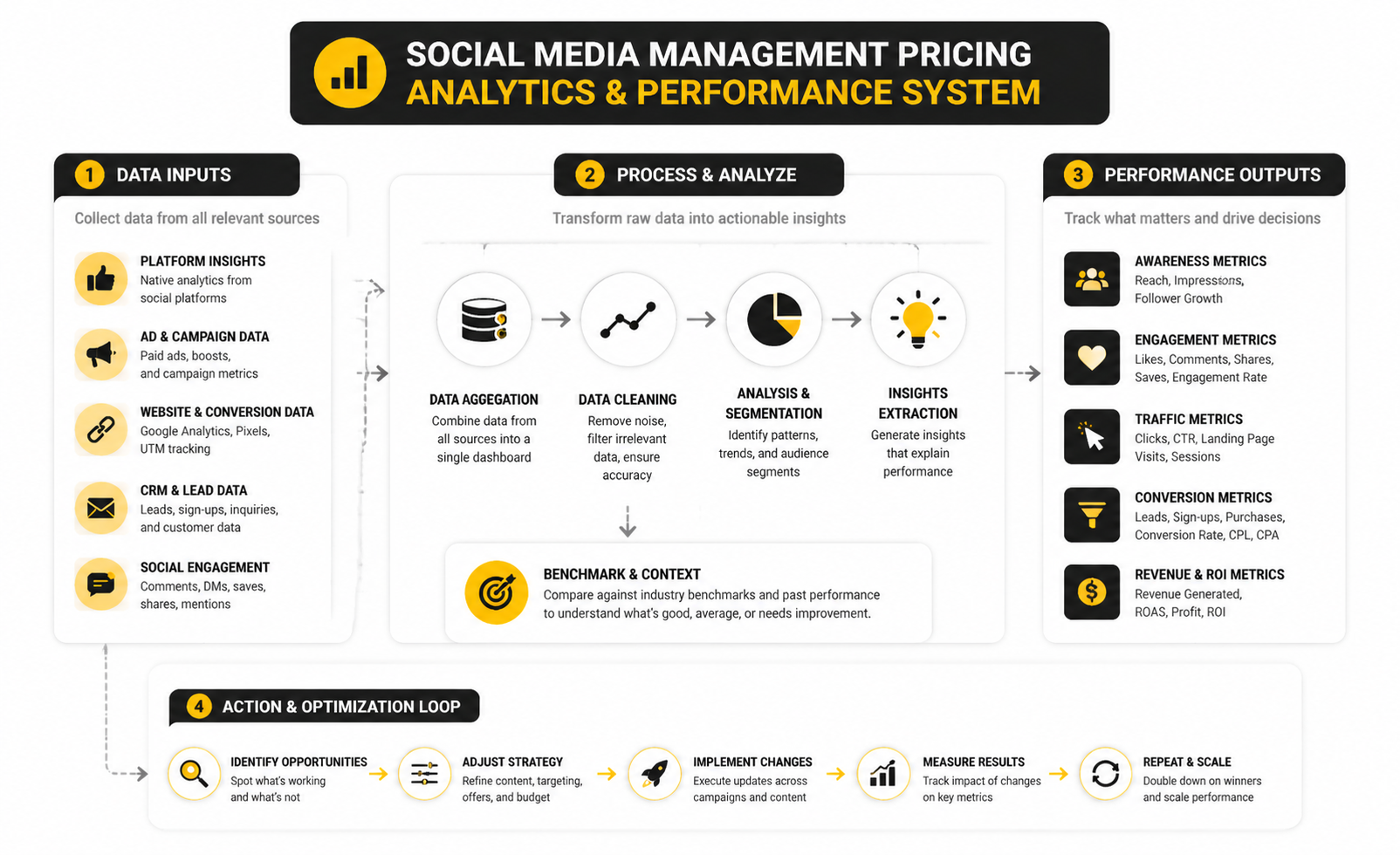
Tracking and analyzing performance is the backbone of understanding social media management pricing and ROI. It's not just about spending money—it's about ensuring every dollar moves your business forward. Performance metrics help businesses identify which strategies generate engagement, conversions, and long-term brand value.
Key Metrics to Monitor
To properly evaluate social media management, professionals focus on several essential indicators:
- Engagement Rate: Measures likes, shares, comments, and interactions per post relative to audience size. High engagement signals content resonates with your audience and can justify higher management costs.
- Reach and Impressions: These metrics show how many people see your content and how often. Comparing reach over time helps determine if your growth strategy is effective.
- Conversion Rates: Track how social media interactions translate into tangible actions, such as website visits, leads, or sales. Conversion tracking directly connects pricing decisions to measurable ROI.
- Cost per Engagement (CPE) & Cost per Conversion (CPC): These metrics allow you to evaluate the efficiency of campaigns and whether your social media spend aligns with business objectives.
- Audience Growth: Monitoring follower trends and demographics ensures your content reaches the right people and informs adjustments in targeting and messaging.
Interpreting the Data
Metrics alone don’t provide insights—they must be contextualized:
- Benchmarking: Compare your numbers against industry standards to understand whether your spend is competitive and effective.
- Trend Analysis: Look at how metrics evolve over time rather than isolated snapshots. Consistent growth or improvement indicates a sustainable strategy.
- Actionable Insights: Data should inform decisions—adjust posting frequency, content types, and ad targeting based on performance signals.
By integrating these measurements into a structured analytics process, businesses can evaluate social media management pricing in light of tangible outcomes. This ensures investments are optimized for maximum reach, engagement, and conversion, rather than simply following arbitrary cost structures.
Implementing Social Media Management Strategies
Effective implementation is where social media management pricing translates into real business outcomes. It’s not just about assigning budgets—it’s about executing campaigns, workflows, and engagement strategies in a way that maximizes return on investment while maintaining brand integrity.
Step-by-Step Execution
The process begins with establishing clear objectives aligned with your business goals. Each campaign should have a defined purpose, whether it’s driving engagement, increasing followers, generating leads, or boosting conversions. The next steps include:
- Content Planning: Develop a calendar that outlines posts, campaigns, and key promotional dates. Consider platform-specific trends and audience behavior to optimize content timing.
- Creation and Scheduling: Produce high-quality visuals, copy, and multimedia assets. Schedule posts using management tools to maintain consistency across channels.
- Community Management: Actively monitor engagement, respond to comments, and foster conversations. Prompt interaction strengthens relationships and enhances reach.
- Campaign Execution: Launch targeted ad campaigns if needed, with segmentation based on audience demographics, interests, and past interactions.
Advanced Implementation Considerations
Scaling social media efforts often introduces complexities:
- Resource Allocation: As campaigns grow, allocating budget, personnel, and tools efficiently becomes critical to avoid overspending while ensuring effectiveness.
- Cross-Platform Coordination: Coordinating messaging across platforms requires careful planning to maintain brand consistency and avoid audience fatigue.
- Automation vs. Personalization: Balancing automated posting with personalized interactions ensures efficiency without sacrificing the authenticity that audiences value.
- Risk Management: Monitoring for potential PR issues, negative feedback, or compliance concerns is essential to protect brand reputation.
Properly implemented social media management strategies provide measurable results that justify investment, enhance audience engagement, and create a foundation for scaling without losing quality or strategic focus.
Final Ecosystem and FAQ
FAQ - Built for Complete Guide
1. What factors influence social media management pricing?
Pricing varies based on platform coverage, content volume, campaign complexity, and whether you hire in-house or outsource to agencies. Each element affects the overall cost differently depending on your business goals.
2. How do freelancers compare to agencies in cost?
Freelancers often offer lower hourly rates but may lack specialized tools or team depth. Agencies provide full-service support, reporting, and strategic guidance, typically at higher monthly rates.
3. Are there hidden costs I should anticipate?
Yes. Common hidden costs include software subscriptions, paid ads, content creation tools, and unexpected campaign adjustments. Always budget for 10–20% above baseline pricing.
4. How does content frequency affect pricing?
The more frequently you post, the higher the cost due to increased production, scheduling, and monitoring requirements. High-volume strategies demand additional resources.
5. Do platform types influence pricing?
Absolutely. Managing Instagram and TikTok, which require short-form visuals, can be more resource-intensive than text-heavy platforms like LinkedIn, impacting both time and cost.
6. What’s the impact of analytics on pricing?
Advanced analytics, reporting, and performance optimization require tools and expert interpretation. Packages that include analytics generally cost more but deliver better ROI insights.
7. How can small businesses control costs effectively?
Focus on key platforms, batch content production, and leverage automation tools. Prioritize high-impact campaigns over spreading efforts thin.
8. Is pricing affected by audience size?
Yes. Larger audiences typically require more engagement, monitoring, and advertising spend, which increases management costs proportionally.
9. How do contract terms influence social media pricing?
Long-term contracts often provide lower monthly rates, while short-term or project-based engagements may carry premium pricing due to setup and onboarding costs.
10. Can strategic planning reduce overall spend?
Proper planning reduces wasted effort, avoids duplicated campaigns, and ensures each post contributes to measurable business goals, optimizing your budget efficiency.
Work With Professionals
Explore 10K+ Remote Marketing Contracts on MarkeWork.com
Most marketers spend too much time chasing clients, competing on crowded platforms, and losing a percentage of every project to middlemen.
MarkeWork gives you a better way. Browse thousands of remote marketing contracts and connect directly with companies desperate to hire skilled marketers like you, without platform commissions and without unnecessary gatekeepers.
If you're serious about finding better opportunities and keeping 100% of what you earn, invite readers to explore available contracts and create a profile for free at MarkeWork.com.