


Where Online Advertising Is Heading Next
The future of online advertising is not just bigger budgets and more channels. It is tighter integration between automation, first-party data, creative systems, and business measurement. The advertisers who do well over the next few years will not be the ones who know the most platform tricks. They will be the ones who can build a durable operating system that survives rising costs, weaker signal quality, and faster platform change.
That is already happening in the market. IAB’s State of Data 2025 report shows companies using AI across media planning, audience work, measurement, and optimization, while dentsu’s 2025 outlook points to algorithmically enabled media taking a larger share of total spend over the next several years. The signal is clear: manual campaign management is not disappearing, but strategic control is becoming more important than button pushing.
Automation Is Expanding, but Control Still Matters
Automation is now baked into modern ad platforms. Bidding, placement selection, asset combinations, audience expansion, and conversion modeling are all increasingly handled by machine learning systems. That can improve performance, but only when the inputs are strong and the business goal is clear.
This is the tradeoff that matters. Automation saves time and can unlock scale, yet it also reduces visibility into exactly why a campaign performed the way it did. Google and Microsoft both keep moving advertisers toward more automated campaign types and optimization systems through Google Ads product development and Microsoft Advertising updates. That means marketers need to get better at governing systems, not micromanaging every lever.
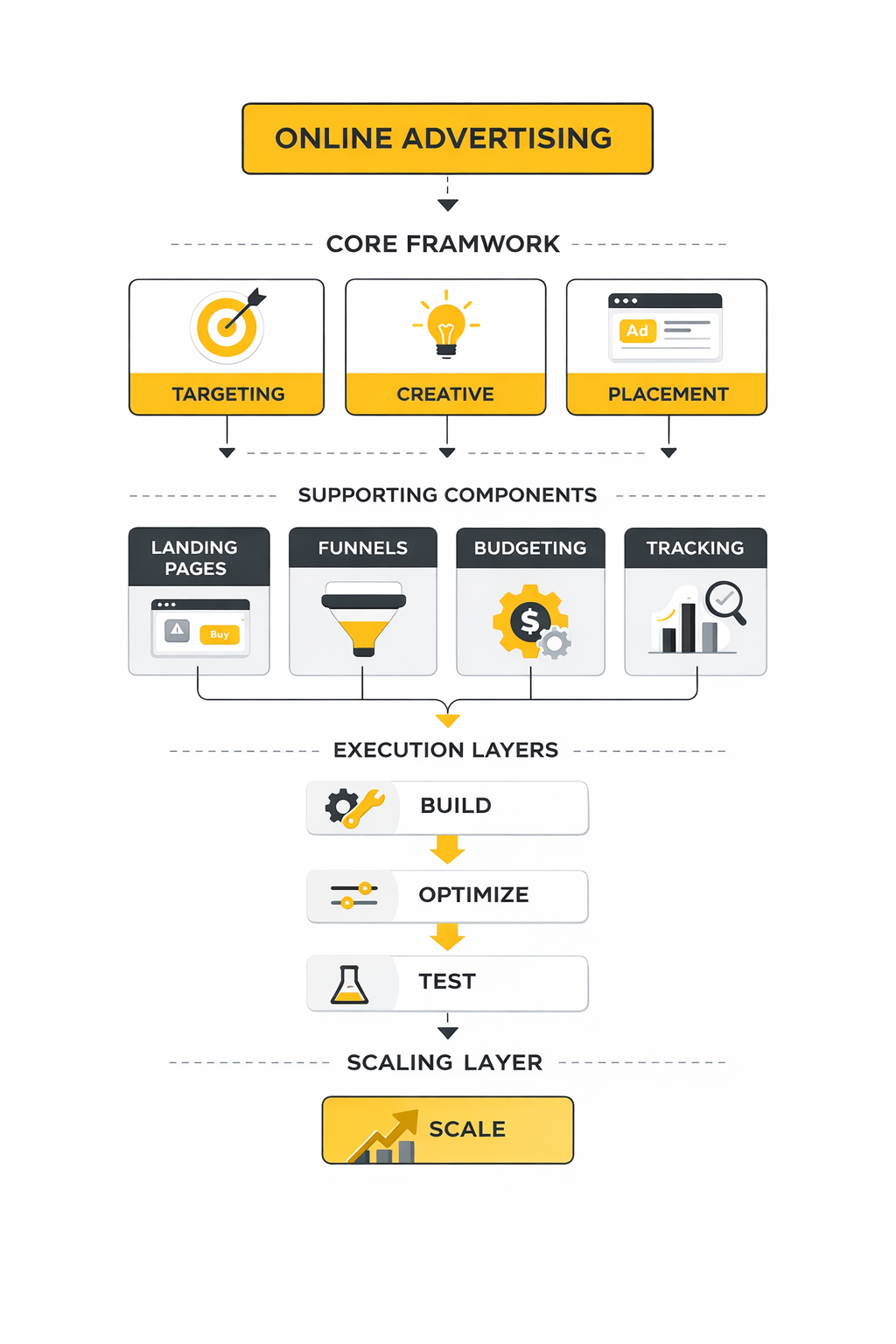
The practical move is to control what still drives outcomes. That means sharper creative briefs, better conversion tracking, stronger landing pages, cleaner audience inputs, and tighter post-click funnels. When the machine handles delivery, your edge comes from strategy and signal quality.
Privacy Pressure Will Keep Reshaping Targeting
Privacy is no longer a temporary disruption. It is a permanent design constraint. Between app tracking limits, browser changes, consent requirements, and regulatory pressure, the old model of easy cross-site targeting has been breaking for years.
That does not mean online advertising stops working. It means the advantage shifts toward businesses that can earn and organize their own customer data. The IAB has been pushing guidance around first-party data activation and AI-led personalization, while Google continues to develop privacy-preserving advertising tools rather than restoring the old ecosystem through its privacy and ad tech documentation and IAB guidance on data strategy. The takeaway is simple: the businesses that own the customer relationship will be harder to disrupt.
This has real operational consequences. Lead capture, CRM hygiene, email segmentation, consent management, and customer enrichment are no longer side tasks. They are part of the media strategy. That is one reason platforms like Brevo, Moosend, and Copper fit naturally into a serious paid acquisition stack.
Creative Is Becoming the Main Lever
As targeting becomes less precise and automation becomes more common, creative matters more. Not in the vague branding sense. In the hard performance sense. The message, hook, offer framing, proof, and format now do more of the heavy lifting because platforms have fewer clean identity signals than they once had.
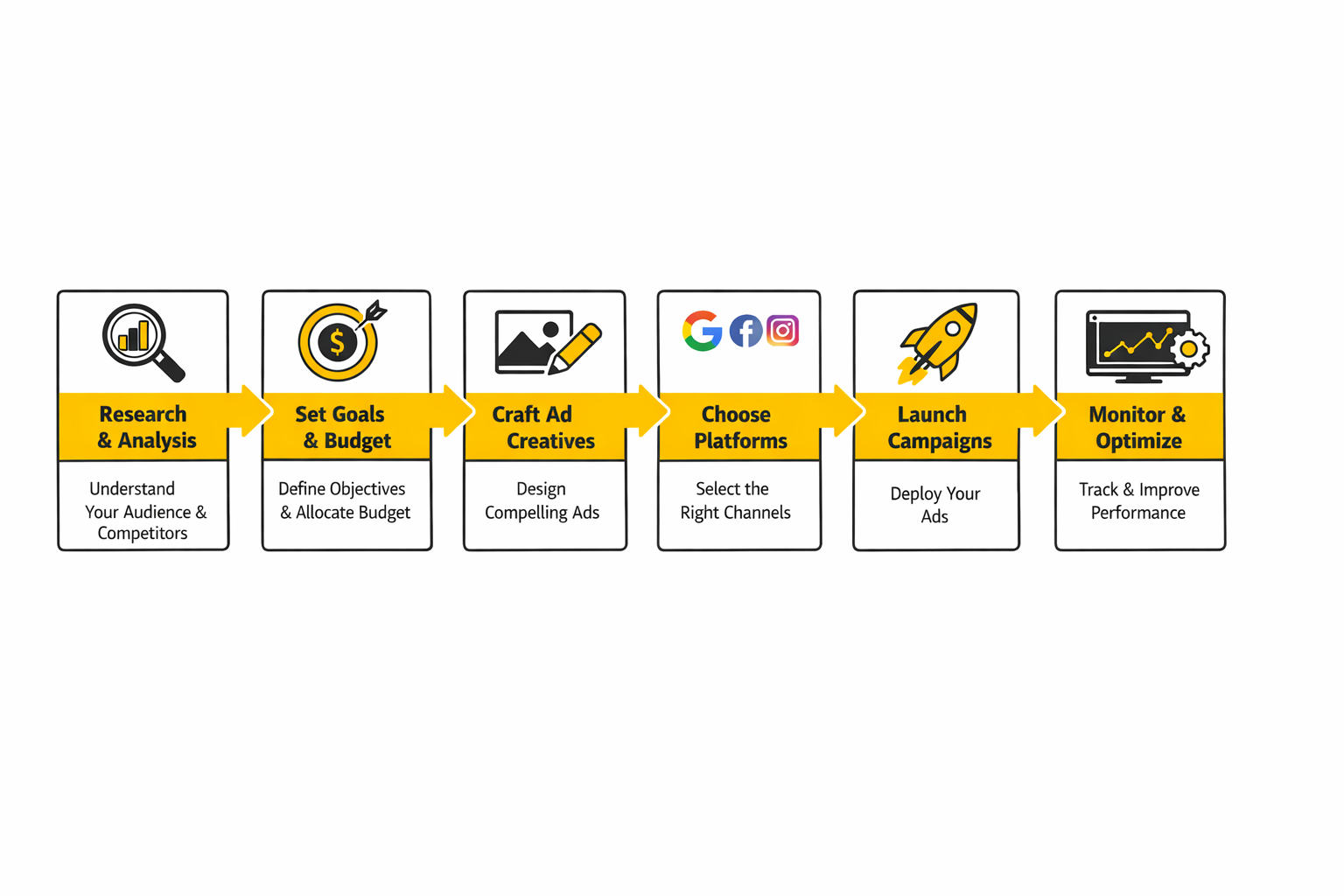
This is one of the biggest expert-level shifts in online advertising right now. More teams are moving from audience obsession to creative iteration because creative is often the variable they can influence fastest and most directly. DoubleVerify’s attention and media quality research reflects how much advertisers now care about whether people actually notice and engage with ads, not just whether an impression was technically served through its 2025 benchmark materials and quarterly benchmark reports.
That changes how you scale. Instead of endlessly expanding targeting, you often get better results by producing new hooks, testing stronger offers, shortening weak creatives, and matching the ad more tightly to the landing page. If your creative system is weak, scale eventually stalls no matter how good the account setup looked early on.
Incrementality Is Becoming More Important Than Attribution Vanity
A mature advertiser eventually runs into a hard question: are these campaigns creating new business, or just claiming credit for demand that would have happened anyway? That is the incrementality problem, and it matters more as reporting becomes noisier and platforms compete harder for credit.
This is why expert teams are moving beyond dashboard wins. They look at lift, blended revenue, new customer share, holdout testing, branded search movement, and downstream value. Retail media, in particular, is pushing this conversation because large budgets near the point of purchase can look efficient while hiding whether the spend is truly additive. eMarketer’s 2025 and 2026 retail media analysis and its 2026 retail media FAQ coverage both highlight how fast the category is growing and why incrementality is becoming a more serious KPI.
This does not mean attribution models are useless. It means they are incomplete. Smart operators use attribution for directional optimization and incrementality for budget confidence.
Scaling Creates New Risks
A lot of campaigns look great at small budgets and then fall apart under scale. That is normal. When spend rises, audience pools change, auction pressure increases, frequency climbs, and weak operational points get exposed fast.
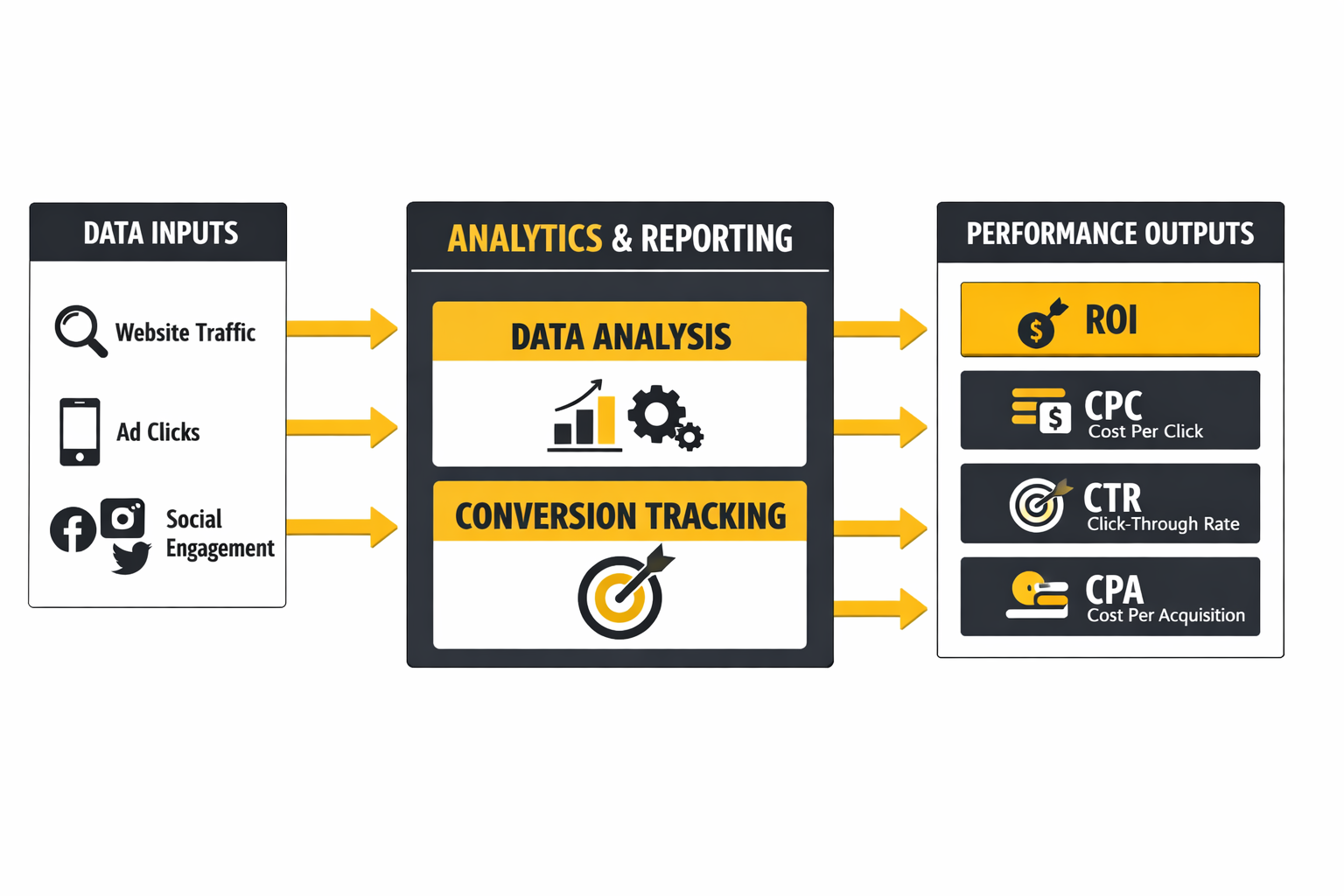
There are several common scaling risks:
- Creative fatigue starts lowering response rates
- Broader targeting brings weaker traffic quality
- Landing pages struggle with new audience segments
- Reporting lags make teams overreact or underreact
- Profitability falls even while conversion volume rises
This is exactly why scaling needs guardrails. You need budget pacing rules, margin awareness, refresh schedules for creative, and clean reporting tied back to actual business outcomes. For lead generation especially, backend speed matters a lot. A campaign can produce cheap leads and still fail if follow-up is slow or disorganized. That is where systems like Fillout, Cal.com, and Chatbase can support a tighter lead capture and qualification workflow.
Fraud, Quality, and Waste Still Demand Attention
Not every impression is valuable, and not every click is honest. Fraud, invalid traffic, low-quality placements, accidental clicks, and poor-context inventory still create waste across digital campaigns. This issue becomes more expensive as budgets grow because small inefficiencies multiply fast.
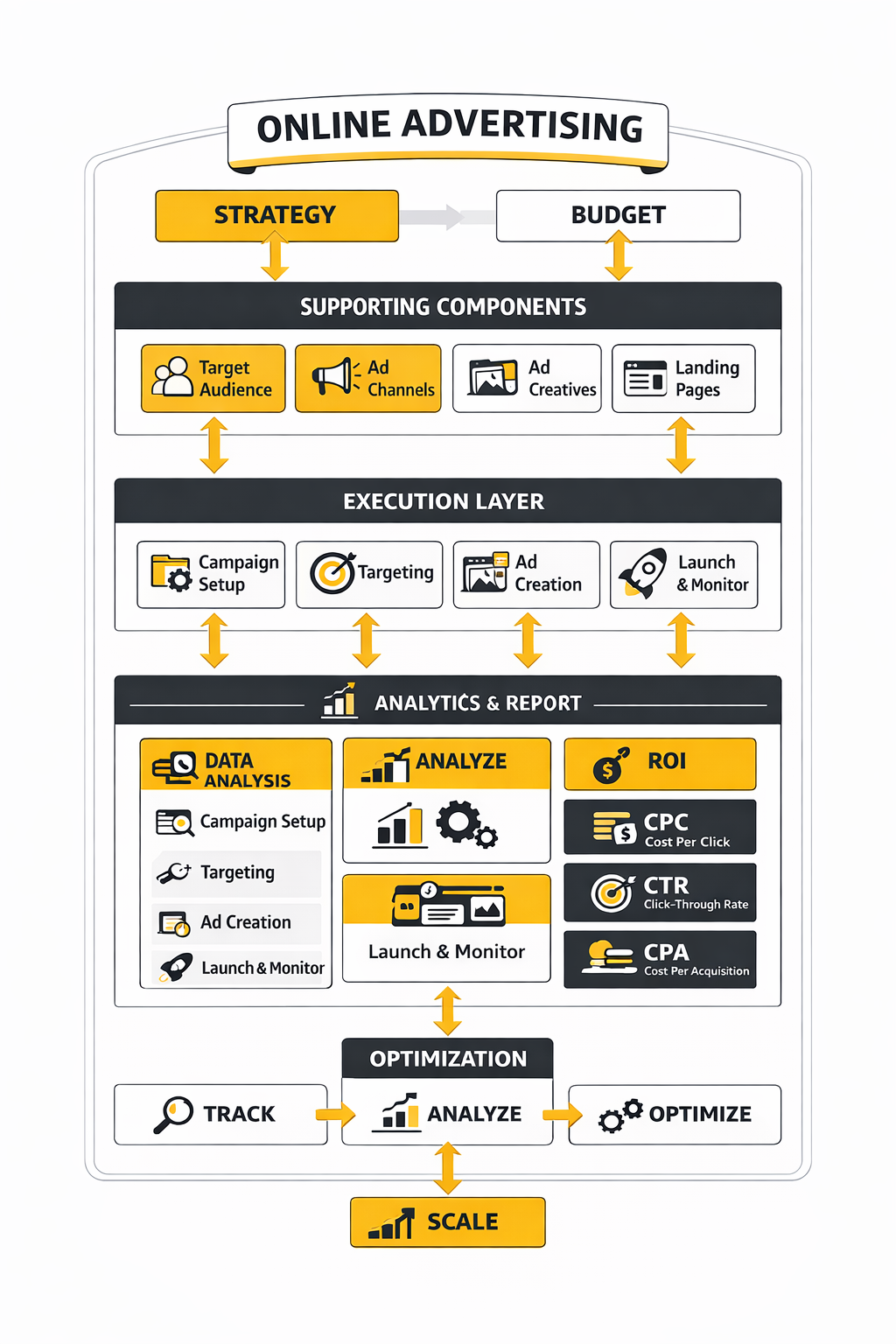
The data here is worth taking seriously. Integral Ad Science reported in its 20th Media Quality Report that fraud rates were materially higher on campaigns without pre-bid fraud protection, while desktop video viewability reached a record high, showing how quality varies sharply by channel and setup in its report summary and report overview. The lesson is not to panic. It is to stop assuming delivery equals value.
This is where media quality controls, placement reviews, exclusion lists, brand suitability filters, and verification tools become part of performance strategy rather than brand-only hygiene. Waste reduction is growth strategy when the savings can be redirected into better inventory and stronger creative.
The Strategic Tradeoff Most Brands Need to Get Right
The hardest decision is usually not whether to run online advertising. It is how much of the budget should go to short-term capture versus long-term demand creation. Go too hard on bottom-funnel performance and you exhaust existing demand. Go too hard on awareness and finance starts asking uncomfortable questions.
The best answer is rarely extreme. Strong brands usually build a balanced system where search and retargeting capture demand, while social, video, creator partnerships, and content-based campaigns create future demand. That mix looks different for every company, but the principle holds. Online advertising becomes much more stable when it is not forced to do one job only.
That is the expert view, really. The game is no longer about isolated hacks. It is about building a marketing engine that can acquire demand, convert demand, and measure real business impact even while platforms, privacy rules, and auction dynamics keep changing.